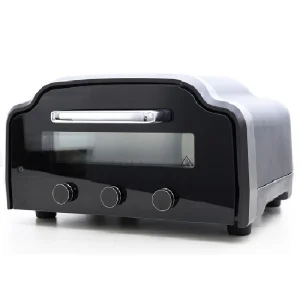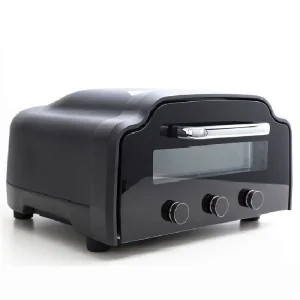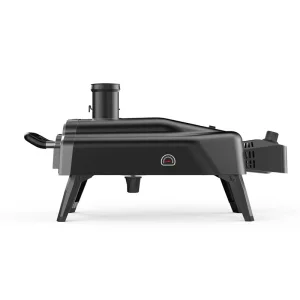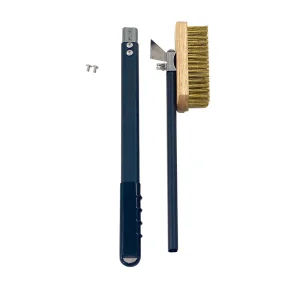
Explore our industry-certified equipment engineered for thermal efficiency, safety, and scalable global distribution.
The rapidly expanding global market for portable, outdoor, and commercial gas-fired pizza ovens has transformed culinary engineering expectations. High-temperature artisanal baking—specifically authentic Neapolitan style—demands precise thermal ramp-ups capable of reaching 500°C (932°F) within 15 minutes, sustaining an unyielding cooking cycle of under 60 seconds per pizza. Achieving this level of extreme thermal efficiency hinges directly upon one vital, often under-engineered component: the low-pressure gas regulator assembly.
For global B2B buyers, appliance importers, commercial kitchenware distributors, and OEM/ODM pizza oven exporters, selecting the Best Gas Regulator For Pizza Ovens transcends standard component sourcing. It represents the foundational cornerstone of equipment safety, thermal stability, fuel efficiency, and cross-border regulatory compliance across European, North American, Asian, and Latin American markets.
This technical engineering guide examines the fluid dynamics of Liquefied Petroleum Gas (LPG), Propane, Butane, and Natural Gas (NG) regulation. It establishes a benchmark specification framework for equipment suppliers and highlights how engineering innovations from manufacturers like Bazon (Shanghai) provide international distributors with a decisive market advantage.
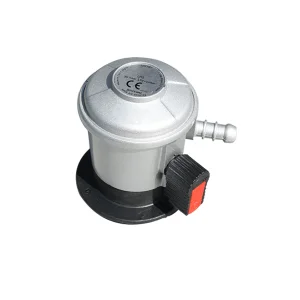
A gas pressure regulator is not merely a valve; it is a dynamic differential control mechanism designed to convert volatile cylinder or line pressures into constant, repeatable downstream operating pressure. In gas-fired pizza ovens, pressure fluctuations directly trigger flame instability, thermal dropping, incomplete combustion, soot accumulation, or dangerous gas accumulation.
Commercial pizza suppliers must differentiate between single-stage and dual-stage regulation architectures when specifying gas delivery assemblies:
High-BTU burners (typically 14,000 to 29,000 BTU/hr used in models like the Bazon P200) draw rapid gas volume from LPG tanks. Rapid withdrawal causes liquid propane to absorb latent heat, leading to severe regulator icing. High-flow zinc-alloy diaphragms with anti-freeze brass orifices are mandatory to guarantee uninterrupted commercial performance.
To assist procurement managers and quality engineers, the following table highlights baseline operational parameters for gas regulator integration in pizza cooking appliances across global territories:
| Target Region | Gas Type | Nominal Operating Pressure | Flow Rate Requirement | Applicable Standards |
|---|---|---|---|---|
| European Union (EU) | Butane / Propane (G30/G31) | 28-30 mbar / 37 mbar / 50 mbar | 1.5 kg/h - 2.5 kg/h | EN 16129, CE GAR (2016/426) |
| North America (US/CA) | LP Gas / Propane | 11" W.C. (approx. 27.4 mbar) | 45,000 - 65,000 BTU/hr | ANSI Z21.18 / CSA 6.18 / UL 144 |
| Australia / NZ | Universal LPG / Propane | 2.75 kPa | 2.0 kg/h | AS/NZS 5601 / AS 4627 |
| United Kingdom (UK) | Patented Patio Gas (Propane) | 37 mbar (27mm Clip-on) | 1.5 kg/h - 2.0 kg/h | BS EN 16129 / UKCA Mark |
Why leading global pizza oven exporters prioritize advanced gas regulation engineering.
Automatically cuts gas supply in the event of a severe hose rupture or accidental line disconnection, preventing hazardous gas buildup in residential or commercial settings.
Protects sensitive oven burners and piezo ignition valves against sudden upstream tank pressure spikes, ensuring absolute operational security under hot climate conditions.
Engineered with high-density premium zinc alloys and stainless steel springs to withstand outdoor humidity, salt spray, and continuous high-temperature radiant heat exposure.
Specifically calibrated to work in unison with oven thermocouple safety valves, ensuring immediate gas cutoff if the flame is blown out by high outdoor winds.
Supports multiple international connection standards, including QCC1 / Type 1 (North America), POL connectors, G52/G56 Clip-on (EU/UK), and universal quick-connect couplers.
Allows fine-tuning of burner output, enabling commercial pizzaiolos to switch effortlessly between low-and-slow deep dish baking and high-heat 500°C Neapolitan cooking.
Located in Shanghai, China, Bazon was established in 2008 as a premier family-owned manufacturing enterprise and engineering specialist. Built upon a foundational commitment to precision manufacturing, technical innovation, and exceptional quality control, Bazon has grown into a globally recognized developer of commercial and residential outdoor kitchenware, gas-fired pizza ovens, and specialized gas pressure regulation assemblies.
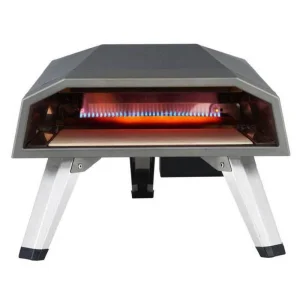
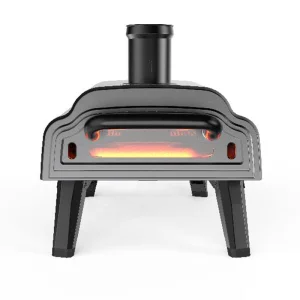
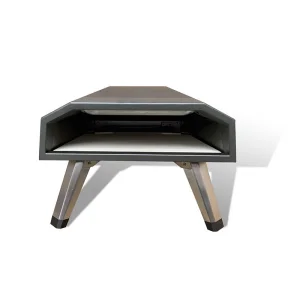
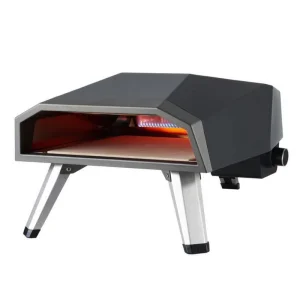
Under its flagship proprietary brand, Softer, Bazon manufactures state-of-the-art pizza oven platforms—including the acclaimed P14GW, P140, and P200 series. These units represent the pinnacle of modern thermal design:
Bazon adheres firmly to the principles of integrity, responsibility, and win-win partnership. By placing customer needs at the center of the R&D process, Bazon delivers robust OEM/ODM turnkey solutions, supporting bulk importers and brand owners with low MOQ requirements, custom colorways, custom branding, and localized regulatory compliance certification.
Exporting gas-fueled appliances globally requires navigating a complex matrix of regional safety standards and environmental regulations. Non-compliance can lead to customs rejections, product recalls, or severe liability issues. Below is an overview of the mandatory certifications required for gas regulators and pizza ovens in primary export markets:
Gas regulators destined for the European market must comply with BS EN 16129 (Pressure regulators, automatic changeover devices, having a maximum regulated pressure of 4 bar or less). Complete pizza oven assemblies must fulfill the requirements of the Gas Appliances Regulation (EU) 2016/426 (GAR), bearing the CE mark along with the notified body identification number. In the UK, post-Brexit compliance mandates the UKCA mark following BS EN 16129 specifications.
For entry into North America, regulators must adhere to ANSI Z21.18 / CSA 6.18 (Gas Appliance Pressure Regulators) or UL 144 (Standard for LP-Gas Regulators). Additionally, hose assemblies must comply with UL 569 or CSA 8.3, while the complete pizza oven should carry CSA or ETL sanitation and safety certification.
Appliance safety laws in Oceania require compliance with AS/NZS 5601 (Gas Installations) and AS 4627 (Quick-connect devices for LP Gas). Gas regulators must be certified under the IAPMO Oceana or AGA (Australian Gas Association) schemes.
As smart kitchen automation expands, the next decade will bring significant technological transformations to gas regulation components for commercial and outdoor pizza baking ecosystems:
Discover Bazon's factory-direct catalog designed for global procurement and OEM brand customization.
Technical & commercial answers to help importers make informed procurement decisions.
Looking for certified gas pizza ovens, high-security regulators, or commercial pizza tools? Contact our Shanghai engineering and sales management team for instant quotes, factory audit scheduling, and technical technical documentation.
Room 3A05, Building E, No.1777 Hualong Road, Huaxin Town, Qingpu District, Shanghai, China.
+86 13651663654
24-Hour Online B2B Service