
An Outdoor Oven is a purpose-built cooking appliance designed for open-air spaces. It can bake, roast, grill, or slow-cook food using controlled heat. Unlike a standard kitchen oven, it is built to handle outdoor temperatures, changing weather, and high-temperature cooking. Common models use wood, gas, charcoal, or electricity as their heat source.
The basic process is simple. Fuel or electricity heats the oven chamber, while insulated walls retain that heat. In a wood-fired model, flames warm the cooking surface and dome. The dome then radiates heat back toward the food, helping pizzas develop crisp bases and blistered edges. A thermometer shows the air temperature, but it does not reveal every hot or cool spot inside. That small detail matters.
Practical experience shows that cooking results depend on more than temperature alone. Fuel quality, airflow, insulation, preheating time, and food placement all influence the final dish. A stone floor may hold heat well, yet it can burn delicate dough if the oven is poorly managed. Gas models offer faster control, while wood adds smoke and atmosphere. Neither option is automatically better.
A reliable Outdoor Oven should be installed on a stable, heat-resistant surface. The area also needs safe clearance from buildings, fences, and flammable materials. Local installation guidance should always be checked, because requirements vary by location. Even experienced cooks sometimes underestimate heat loss after opening the door. That mistake is worth remembering. Understanding how an outdoor oven transfers and stores heat makes cooking safer, more consistent, and easier to improve.
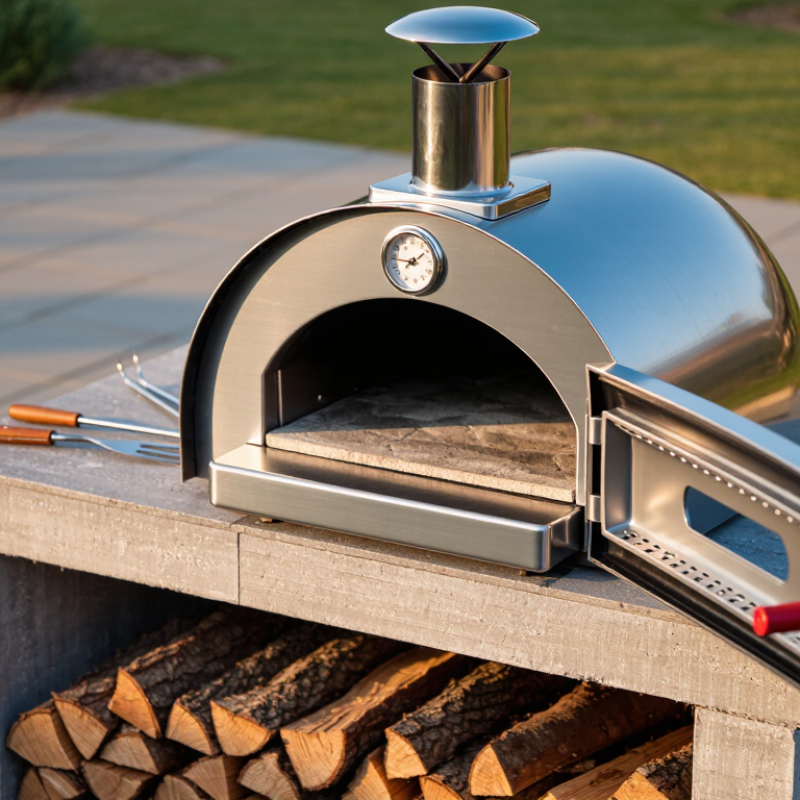
An outdoor oven is a cooking appliance designed for use outside the main kitchen. It usually stands on a patio, deck, or prepared outdoor surface. Unlike a simple grill, it creates an enclosed chamber that holds heat around the food. This design supports baking, roasting, broiling, and slow cooking.
Outdoor ovens can use wood, charcoal, gas, or electricity. Their construction often includes steel, cast iron, brick, or heat-resistant ceramic materials. Thick walls reduce heat loss. A small opening controls airflow and helps maintain a steady temperature. Some models include a thermometer, but readings can still vary inside the chamber. The stone floor may be hotter than the upper cooking area.
The cooking process depends on three types of heat. Direct heat warms the food from below. Radiant heat comes from hot walls and the oven ceiling. Circulated hot air cooks the exposed surfaces more evenly. A cook may need to rotate a flatbread or move a roasting pan. Small adjustments matter. I have found that outdoor cooking is rarely perfectly consistent, especially in wind or cool weather. That is not a serious flaw, but it requires attention. Preheating also takes time, sometimes longer than expected. Keep the oven on a stable, nonflammable surface, and allow clear space around it. Fresh air is essential whenever combustion produces smoke or exhaust.
| Data Dimension | Wood-Fired Oven | Gas-Fired Oven | Electric Outdoor Oven |
|---|---|---|---|
| Primary heat source | Burning hardwood logs or approved wood chunks | Combustion of propane or natural gas | Electrical heating elements |
| How it transfers heat | Radiant heat from the fire and hot oven walls, plus hot air circulation | Gas flame heats the oven floor, chamber, or dedicated burner system | Heating elements warm the cooking chamber and oven surface |
| Typical maximum temperature | Approximately 700–900°F (370–480°C), depending on design and fuel | Approximately 500–900°F (260–480°C), depending on burner capacity | Commonly approximately 450–700°F (230–370°C) |
| Preheating time | Usually 30–90 minutes, because the oven floor and walls must heat thoroughly | Often 15–30 minutes | Often 15–30 minutes, depending on insulation and target temperature |
| Best-known cooking effect | Strong radiant heat and optional wood-smoke flavor | Fast, steady heat with adjustable flame control | Precise temperature control without combustion smoke |
| Suitable foods | Pizza, flatbreads, roasted vegetables, meat, poultry, fish, and slow-cooked dishes | Pizza, bread, roasted meat, vegetables, and baked dishes | Pizza, bread, casseroles, vegetables, and temperature-sensitive baking |
| Main cooking principle | Food cooks through direct or indirect heat after the chamber reaches the desired temperature | A burner maintains the selected cooking temperature while food cooks on the heated surface or rack | Thermostatically controlled elements maintain heat around the food |
| Ventilation requirement | A flue or chimney is generally needed to direct smoke and support airflow | Adequate outdoor ventilation is required for combustion gases; some designs use a flue | No combustion flue is required, but outdoor electrical safety and airflow around the unit are important |
| Heat retention | High in masonry or heavily insulated models; stored heat can support cooking after the fire is removed | Moderate to high, depending on insulation and construction materials | Usually moderate; the elements cycle on and off to maintain the set temperature |
| Key operating controls | Amount and position of fuel, air intake, damper, door, and fire placement | Gas flow, burner setting, air vents, door position, and cooking surface placement | Thermostat, timer, heating mode, and sometimes top-and-bottom heat settings |
| Important safety considerations | Keep combustible materials away, manage embers, use dry approved fuel, and install on a stable noncombustible surface | Check connections for leaks, keep cylinders upright and ventilated, and follow clearance requirements | Use a weather-protected electrical connection, keep water away from electrical parts, and follow grounding requirements |
| Most suitable use case | Traditional high-heat cooking and users who value live-fire operation | Convenient high-heat cooking with quick ignition and adjustable output | Controlled outdoor baking where smoke-free operation and simple temperature adjustment are preferred |
It cooks food outside using direct heat, hot air, and heat stored in its walls. Pizza, bread, vegetables, and roasted foods work well.
Place it on a stable, nonflammable surface with clear space around it. Keep children away from the hot area. Good ventilation matters.
Increase the temperature gradually, following the fuel instructions. Sudden high heat may damage some materials. Watch the gauge or use an infrared thermometer.
Air temperature can differ greatly from the oven floor. The floor may have hot and cool patches. I learned this after burning edges while leaving centers undercooked.
Move the heat source to one side after heating. This creates a hotter area for searing and a cooler area for slower cooking. Wait several minutes before cooking.
Keep a long-handled tool, heatproof gloves, and a suitable thermometer nearby. Dust extra flour from dough. Loose flour can scorch quickly.
Rotate the food during cooking. Check the underside regularly, especially when using wood or uneven insulation. Small adjustments help.
Thick masonry ovens retain heat well for bread, roasting, and slow cooking. Gas-heated ovens offer faster adjustment. Portable electric ovens suit smaller spaces but may have temperature limits.
Never leave the oven unattended. Let the chamber cool completely before removing ash or cleaning it. Hot surfaces remain dangerous longer than expected.
An Outdoor Oven is a cooking appliance designed for use outside the home, offering high, steady heat for baking, roasting, grilling, and more. Unlike a standard indoor oven, it is built to withstand outdoor conditions and may use wood, charcoal, gas, or electricity as its fuel source. Its main components typically include an insulated cooking chamber, a heat source, a cooking surface, ventilation openings, and a door or cover that helps control temperature.
An Outdoor Oven generates heat through combustion or electrical heating, while insulation and dense construction help retain that heat and distribute it evenly. To use one, prepare the fuel, preheat the oven, adjust airflow or temperature controls, place the food inside, and monitor cooking progress until the desired result is reached. Common designs include compact portable ovens, dome-shaped ovens for bread and pizza, box-style ovens for general cooking, and larger built-in models suited to frequent outdoor entertaining.
