
Outdoor Pizza Oven Tips for Perfect Pizzas Every Time?

Time:2026-09-03 Author:Mason
0%

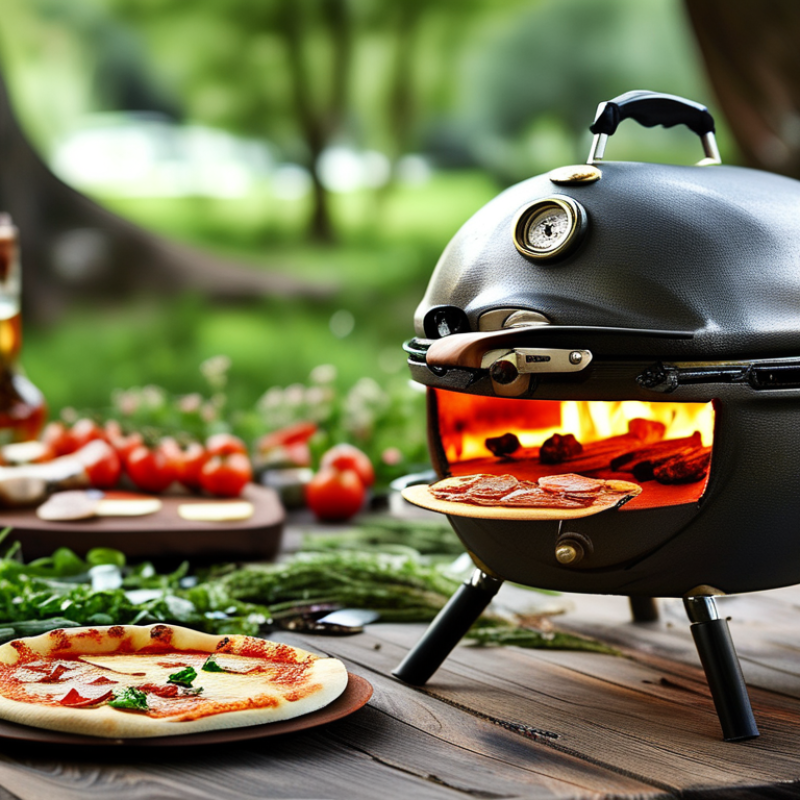
When it comes to crafting the perfect pizza, an Outdoor Pizza Oven is an essential tool. Renowned chef and outdoor cooking expert, Tony Gemignani, emphasizes, “The key to great pizza is achieving the right temperature.” Mastering the use of an Outdoor Pizza Oven requires skill and a bit of practice.

Many enthusiasts face challenges, such as uneven heating or dough sticking. Learning to manage these variables is crucial. To achieve perfection, it's vital to understand your oven's quirks. Whether it’s ensuring your oven reaches the ideal temperature or experimenting with wood types, practice makes perfect.

The journey to pizza mastery is often filled with trial and error. Embrace the learning process. Each attempt, no matter how imperfect, contributes to your overall skillset. With patience and attention to detail, your Outdoor Pizza Oven can help you create delicious pizzas that impress friends and family.
Outdoor Pizza Oven Tips for Perfect Pizzas Every Time?

Choosing the Right Outdoor Pizza Oven for Your Needs

When choosing an outdoor pizza oven, consider your cooking style and space. There are many options available, from wood-fired models to gas-powered ones. Each type has its unique advantages. Wood-fired ovens provide an authentic smoky flavor but can require more skill to use. Gas ovens offer convenience and even heating, making them easier for beginners.

Location matters too. If you have limited space, a compact oven may be ideal. Some models even double as grills, maximizing your outdoor cooking capacity. Check if your chosen oven requires a specific surface, such as tile or stone. This detail can impact where you place the oven and how it integrates into your outdoor area.

A few tips can enhance your pizza-making experience. Always preheat your oven for at least 30 minutes. This step ensures even cooking throughout the pizza. Experiment with different types of flour for your dough. Each flour can bring a different texture and taste to the crust. Lastly, don’t be afraid to make mistakes. Each burnt pizza teaches you something new about temperature and timing. Embrace these learning moments for better results.

Outdoor Pizza Oven Tips for Perfect Pizzas Every Time

Feature Description Recommended Options
Cooking Surface Size Determine how many pizzas you want to make at once. 12-inch, 16-inch, or larger sizes available.
Fuel Type Choose between wood, propane, or electric options. Wood-fired for authentic flavor, propane for convenience.
Temperature Range Ovens should reach at least 700°F for crispy crusts. Models that heat quickly and maintain high temperatures.
Portability Consider weight and design if you plan to move it around. Wheeled options or compact designs.
Price Range Budget versus advanced features and material quality. $200 - $1500 depending on features.
Ease of Use Look for user-friendly controls and easy ignition. Push-button ignition models, built-in thermometers.
Material Durability and heat retention properties of the oven. Stainless steel, clay, or cast iron options.

Setting Up Your Outdoor Pizza Oven for Optimal Performance

Setting up your outdoor pizza oven for optimal performance requires attention to detail. Start by choosing a flat, stable surface. An uneven base can lead to fluctuating temperatures. Research shows that at least 60% of pizza enthusiasts experience uneven cooking due to improper placement. Use a pizza stone to help distribute heat evenly. A good stone retains heat and creates a crispy crust.

Temperature control is critical. Preheat your oven to at least 700°F (370°C) for the best results. This high temperature allows for quick cooking. Data from the National Association of Pizza Operators indicates that pizzas cooked above 800°F have a noticeable improvement in texture and flavor. Monitor the oven's temperature using a reliable thermometer. This equipment minimizes the risk of undercooked or burnt pizzas.

Consider the type of fuel you use, as it dramatically affects performance. Wood-fired ovens impart a distinct flavor. However, charcoal or gas ovens can provide more consistent heat levels. Each fuel type has its pros and cons. Some cooks prefer wood for the taste whereas others find it difficult to manage the flame. Evaluate your options and understand the trade-offs.

Essential Tools and Ingredients for Making Perfect Pizzas

Creating perfect pizzas outdoors requires the right tools and ingredients. Start with high-quality flour; it forms the base of your dough. Look for “00” flour for a crispy crust. Yeast is equally important. Use fresh yeast for better flavor and rise. Combine these with water, salt, and olive oil. Make sure your ingredients are measured accurately for the best results.

Tools play a vital role too. A pizza stone helps distribute heat evenly. An appropriately-sized peel makes transferring pizza easy. Invest in a good outdoor oven; it should reach high temperatures quickly. A thermometer will help you check the oven's heat. It's essential not to rush the prep work. Allow the dough to rest for the right texture.

Experimenting is part of the process. Different toppings can change the flavor dramatically. Don't hesitate to try unusual combinations. However, be mindful of ingredient proportions. Too many toppings can lead to a soggy pizza. Learning from these experiences will refine your skills. Enjoy the journey of making pizza outdoors.

Mastering Pizza Dough Techniques for a Flawless Base

Creating the perfect pizza dough is an art that requires patience and practice. Start with quality ingredients. Use high-protein flour for a chewy texture. Water temperature matters too; it should be warm but not hot. This ideal warmth allows the yeast to activate properly. After mixing the dough, let it rest. A 30-minute rest is essential. This allows the gluten to relax, making it easier to shape.

Kneading is crucial for developing the dough's structure. Aim for a smooth, elastic consistency. However, over-kneading can lead to a tough crust. If your dough feels too sticky, add small amounts of flour gradually. Use your hands to feel the dough’s texture. It helps to create a relationship with your pizza dough.

Don’t forget about fermentation. Allow the dough to rise until it has doubled in size. This could take 1 to 2 hours. For a more complex flavor, try cold fermentation in the fridge. This process can take 24 to 72 hours. Yet, even with all these techniques, mistakes happen. Your dough might be too dry or too wet. Learning from these missteps is part of mastering pizza dough. Each attempt brings you closer to that perfect pizza base.

Outdoor Pizza Oven Tips for Perfect Pizzas Every Time

Tips for Achieving the Ideal Pizza Temperature and Cooking Time

To achieve the perfect outdoor pizza, understanding the right temperature and cooking time is crucial. The ideal temperature for cooking pizza in an outdoor oven ranges from 450°F to 900°F. Research shows that temperatures above 700°F create a crispy crust in just 90 seconds. This high heat balances a nicely charred exterior with a soft, chewy inside. However, not all outdoor ovens can reach these extremes, which can lead to inconsistencies.

To prevent undercooked or overly charred pizzas, monitoring the cooking time is essential. Pizzas typically take between one to ten minutes, depending on your oven's temperature. Keep an eye on the cheese; once it melts and bubbles, your pizza is likely ready. Using a pizza peel can help rotate your pie, ensuring even cooking. Remember, every oven behaves differently; adjustments may be necessary.

Experimenting with your cooking approach can yield great results. Some cooks prefer a longer cook at lower temperatures for deeply flavorful crusts. Others may find the high heat approach works best for their style. Collect feedback from friends or family—they can provide insights on the crust texture and overall flavor. Engaging with your cooking community can enhance your skills over time.

FAQS

: What surface should I use for my outdoor pizza oven?

: Choose a flat, stable surface. An uneven base can cause fluctuating temperatures.

How can I ensure my pizza cooks evenly?

Use a pizza stone to distribute heat evenly and achieve a crispy crust.

What temperature should I preheat my oven to?

Preheat to at least 700°F (370°C) for the best cooking results.

What type of fuel should I use in my pizza oven?

Each fuel type has pros and cons. Wood offers flavor, while charcoal and gas provide consistent heat.

How important is accurate measurement of ingredients?

Measuring ingredients accurately is vital for the best results in your dough.

How long should I let the dough rest?

A 30-minute rest after mixing is essential for relaxed gluten and better shaping.

Can I use different toppings on my pizza?

Yes, experimenting with toppings can change the flavor, but watch ingredient proportions to avoid sogginess.

What happens if I over-knead the dough?

Over-kneading can lead to a tough crust, which is not desirable for pizza.

How can I tell if my dough is too sticky?

If it's sticky, gradually add small amounts of flour while feeling its texture with your hands.

What if the dough doesn’t rise properly?

Mistakes happen. If your dough is too dry or wet, learning from these experiences will improve your skills.

Conclusion

When it comes to crafting delicious pizzas, choosing the right Outdoor Pizza Oven is essential for achieving perfect results every time. Different models cater to various needs, so it’s important to select one that suits your cooking style and space. Once you have your oven, setting it up for optimal performance is crucial; ensuring good ventilation and positioning will enhance heat retention and cooking efficiency.

To make the perfect pizza, you'll need essential tools and quality ingredients, along with mastering the techniques for preparing a flawless dough base. Understanding the ideal pizza temperature and cooking time is also vital. With the right approach, your Outdoor Pizza Oven can become a centerpiece of outdoor dining, delivering mouthwatering pizzas that impress family and friends alike.

Mason

Mason

Mason is a seasoned marketing professional with a deep expertise in the company's offerings and a passion for driving brand awareness. With a strong background in digital marketing strategies, he has an innate ability to connect with diverse audiences and effectively communicate product benefits.......