
What Is a Home Pizza Oven and How Does It Work?

Time:2026-09-27 Author:Isabella
0%

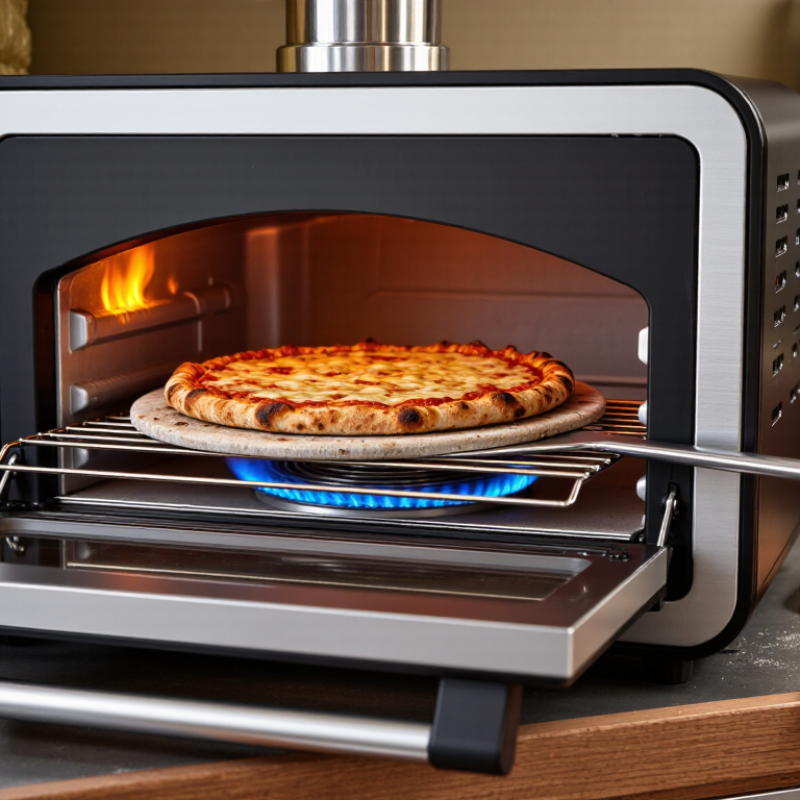
A Home Pizza Oven is a compact cooking appliance designed to produce restaurant-style pizza at home. It usually reaches higher temperatures than a standard kitchen oven. That intense heat cooks dough quickly and creates a crisp base with a lightly blistered crust. Some models use gas, electricity, wood, or a combination of fuel sources. Each option changes the flavor, heating speed, and amount of attention required.

Inside the oven, heating elements or burning fuel raise the chamber temperature. A stone or steel baking surface transfers heat directly into the dough. Meanwhile, hot air cooks the toppings and helps the crust brown. Many ovens include insulation, temperature controls, and a built-in thermometer. These features improve consistency, but they cannot replace careful preparation. Small details matter. Dough thickness, moisture, placement, and preheating time can change the result.

In practical use, the oven needs patience before the first pizza enters. A rushed preheat often produces a pale base and undercooked center. I have seen beginners focus on maximum temperature while ignoring dough handling and turning technique. That approach is understandable, but incomplete. Even an advanced Home Pizza Oven has limits. Weather, fuel quality, and uneven toppings may affect performance. Learning to read the crust, rotate the pizza, and adjust heat takes practice. This guide explains the oven’s main parts, heating process, fuel choices, and realistic cooking expectations. It also considers maintenance and safe operation, because impressive heat requires responsible control.
What Is a Home Pizza Oven and How Does It Work?

What a Home Pizza Oven Is and What Makes It Different

What Is a Home Pizza Oven and How Does It Work?

A home pizza oven is a compact cooking appliance designed to bake pizza at higher heat than a standard kitchen oven. Its main difference is concentrated heat. Instead of slowly warming the entire oven cavity, it directs strong heat toward the dough, toppings, and cooking surface.

Many models use gas, electricity, or solid fuel. The heat source raises the temperature of a ceramic stone or metal deck, while the upper area cooks the pizza surface. A properly heated deck can quickly firm the base and reduce moisture in the dough. This creates a crisp underside with a softer center. However, high heat leaves little room for careless timing.

The cooking surface matters greatly. A thick stone stores heat well, but it may need more time to preheat. A metal deck responds faster and can darken the crust quickly. Pizza should be launched onto a clean, hot surface, then rotated as the edges rise and color. My first attempts often burned one side because I watched the toppings instead of the crust. That mistake still matters: heat distribution varies, and a rotating peel or small temperature check can improve control. Home ovens also require ventilation, safe placement, and careful handling because their surfaces remain dangerously hot after cooking.

The Main Parts and Heat Sources of a Home Pizza Oven

What Is a Home Pizza Oven and How Does It Work?

A home pizza oven is a compact chamber designed to deliver intense, stable heat. Its main parts include the cooking floor, insulated walls, roof, door, thermometer, and heat source. The cooking floor stores heat and transfers it into the dough. The roof radiates heat toward the toppings. Insulation reduces heat loss, although many small ovens cool quickly after the door opens. According to the Associazione Verace Pizza Napoletana standard, Neapolitan pizza typically cooks at 430–480°C for about 60–90 seconds. That range explains the oven’s powerful design.

Heat sources behave differently. Wood creates radiant heat, flame, smoke, and changing temperatures. Gas offers faster adjustment but may heat the rear of the chamber unevenly. Electric elements provide cleaner control and consistent heat across the floor. The U.S. Department of Energy explains that insulation improves appliance efficiency by limiting unwanted heat transfer. In practice, however, a hot thermometer does not guarantee an evenly heated stone. I have found that the floor can burn dough while the toppings remain pale. That is a useful warning.

Tips: Preheat the floor fully, not just the air. Use an infrared thermometer, but check several floor areas. Rotate the pizza halfway through baking. Keep the door closed whenever possible. Smaller pizzas are easier to manage. Wood-fired cooking also needs careful airflow control, and beginners often use too much fuel. The error feels minor. It is not. A thin layer of flour can also scorch, so remove excess dust before launching the dough.

How a Home Pizza Oven Reaches and Holds High Heat

What Is a Home Pizza Oven and How Does It Work?

A home pizza oven is designed to create and maintain far higher heat than a standard kitchen oven. Many models reach 700–900°F, although performance varies with fuel, insulation, and weather. Gas or electric heating elements supply steady energy, while wood adds heat through flame and hot embers. The cooking surface, often made from stone or ceramic, stores heat beneath the dough.

Reaching high heat is only half the task. Thick insulation slows heat loss through the walls and roof. A closed door also keeps hot air and flame inside. The heated surface browns the crust from below, while radiant heat cooks the toppings above. Preheating may take 20–45 minutes. An infrared thermometer gives a clearer reading than the air temperature display. Still, temperature can vary across the surface. The center may be ready while the front remains cooler. That detail is easy to miss.

Tips: Preheat longer than you think. Check several spots on the cooking surface. Rotate the pizza when the edge rises and colors unevenly. Keep the door closed between pizzas, because every opening releases stored heat. A slightly cooler oven can sometimes produce a better crust than rushed baking. I had to learn that maximum heat is not always the best heat.

What Is a Home Pizza Oven and How Does It Work? — How a Home Pizza Oven Reaches and Holds High Heat

Feature How It Works Typical Details Why It Matters for Pizza
Heat source Electric ovens use heating elements; gas ovens burn fuel; wood-fired ovens burn wood. Some models combine a flame or element with a heated cooking surface. Design and maximum temperature vary by oven type and model. The heat source determines how quickly the oven heats and how heat is delivered to the pizza.
High operating temperature A compact, insulated cooking chamber concentrates heat around the pizza. Many purpose-built home pizza ovens operate roughly between 700°F and 950°F (about 370°C–510°C). Conventional household ovens commonly top out around 500°F–550°F (about 260°C–290°C). Higher temperatures can cook thin-crust pizzas quickly, but the suitable setting depends on the dough, toppings, and oven instructions.
Cooking surface A stone or ceramic surface absorbs heat before the pizza is placed on it. Some ovens use a steel surface instead. The surface needs time to preheat; the required time varies with its material, thickness, and the oven. Stored heat cooks the base directly and helps it brown and crisp.
Thermal mass Dense materials such as stone, ceramic, or steel store heat and release it as the pizza cools the cooking surface. Thicker or denser surfaces generally take longer to heat and can provide a steadier heat supply during cooking. Thermal mass helps limit temperature drops when a cold pizza is added.
Insulation Insulating layers around the chamber slow heat loss through the oven walls. Insulation quality and chamber construction differ among ovens. Better heat retention helps the oven recover between pizzas and reduces heat escaping to the surroundings.
Heat circulation Radiant heat from the oven roof and walls cooks the top, while the hot floor cooks the base. A flame or heating element may add concentrated heat. The balance of top and bottom heat depends on the oven’s layout and operating temperature. Balanced heating helps cook the crust and toppings without leaving one part underdone or overbrowned.
Temperature control A thermostat or adjustable fuel setting regulates heat. Some ovens also have separate controls for upper and lower heating elements. Displayed air temperature may differ from the temperature of the stone or steel. Checking the cooking surface with an appropriate infrared thermometer can help assess whether it is ready for a pizza.
Heat recovery After a pizza is removed, the heat source warms the cooking surface and chamber back toward the set temperature. Recovery time depends on the oven, the cooking surface, and how much heat was transferred to the pizza. Allowing the surface to recover between pizzas supports more consistent crust results.

Note: Temperature ranges are general examples, not guarantees. Follow the oven maker’s safety and operating instructions, and use the temperature limits specified for your particular oven.

How to Prepare, Bake, and Rotate Pizza in the Oven

What Is a Home Pizza Oven and How Does It Work?

A home pizza oven uses intense heat to cook dough quickly. Its heated stone or steel transfers heat into the crust. The upper surface also radiates heat onto the toppings. Before baking, preheat the oven thoroughly, usually for 20 to 45 minutes. Check the cooking surface with an infrared thermometer if available. A properly heated surface should feel fiercely hot, not merely warm.

Prepare a lightly floured dough ball on a wooden board or peel. Stretch it gently, leaving a thicker rim around the edge. Add a thin layer of sauce, modest cheese, and dry toppings. Too much moisture can soften the center. Slide the pizza onto the heated surface with one confident motion. Keep it simple. Bake until the rim puffs and develops small brown spots.

Most pizzas need rotation during baking because heat is rarely perfectly even. After 30 to 60 seconds, lift the edge with a turning peel and rotate the pizza about 90 degrees. Continue turning it every 20 to 30 seconds when one side darkens faster. Watch the crust closely rather than trusting the timer. I still occasionally rotate too late and scorch one edge, especially after adding a wet topping. That mistake taught me to use smaller toppings and inspect the underside. When the base feels firm and the cheese bubbles evenly, remove the pizza carefully and let it rest briefly before slicing.

Key Factors That Affect Home Pizza Oven Performance

What Is a Home Pizza Oven and How Does It Work?

A home pizza oven uses concentrated heat to cook dough quickly, often in two to five minutes. Its performance depends on more than its maximum temperature. The cooking surface must store heat, while the roof must radiate heat toward the toppings. Good insulation keeps energy inside and reduces recovery time between pizzas. Airflow also matters. Too little oxygen can weaken a flame, while excessive airflow may cool the chamber.

Key Factors That Affect Home Pizza Oven Performance

The baking surface temperature affects the crust more than the air temperature alone. A cooler stone can produce a pale, soft base, even when the oven thermometer shows intense heat. Moisture in the dough also changes results. High-hydration dough may create a lighter crust, but it can stick or tear during launching. I once blamed the dough for uneven browning, then noticed the oven floor had hot and cool zones. Turning the pizza helps, but it cannot fully correct poor heat distribution. Fuel type, flame position, preheating time, and door design influence consistency too.

Tips: Preheat patiently, then check the floor with an infrared thermometer. Keep the center clear while heating. Launch with a lightly floured peel, not an overloaded one. Watch the rim closely. Small adjustments matter. Allow recovery time after each bake, especially during repeated cooking. Record the floor temperature, dough weight, and baking time. Your notes may reveal patterns that memory misses. Some advice sounds universal, but every oven behaves slightly differently. Test carefully.

FAQS

What are the main parts of a home pizza oven?

It has a cooking floor, insulated walls, a roof, a door, and a heat source. Some ovens also include a thermometer. The floor heats the crust, while the roof radiates heat onto the toppings.

How do wood, gas, and electric heat differ?

Wood produces flame and changing temperatures. Gas is easier to adjust, but heat may collect near the rear. Electric elements offer steadier control. None guarantees a perfectly even bake.

How hot can a home pizza oven get?

Many reach about 700–900°F, depending on fuel, insulation, and weather. Very hot is not always better. I have rushed the preheat and regretted it.

How long should I preheat the oven?

Allow roughly 20–45 minutes. Check the floor in several places with an infrared thermometer. A hot air reading alone can mislead you.

How can I tell if the cooking floor is ready?

Measure the center, front, and sides. The front may be cooler than the center. Give it more time if readings vary widely.

How should I prepare a pizza for baking?

Stretch the dough with a thicker rim. Use a light layer of sauce, modest cheese, and dry toppings. Too much moisture can soften the center.

When should I rotate the pizza?

Check it after about 30–60 seconds. Turn it roughly 90 degrees, then rotate again if one side darkens faster. Watch the crust, not just the timer.

Why does the crust burn while the toppings stay pale?

The floor may be hotter than the upper chamber. Check multiple floor areas and rotate the pizza. Excess flour can scorch, too. I still miss a spot sometimes.

Conclusion

A Home Pizza Oven is a compact cooking appliance designed to bake pizza at much higher temperatures than a typical kitchen oven. Its insulated chamber, heating elements or fuel source, baking surface, and ventilation system work together to create intense, balanced heat. Unlike a standard oven, it can produce a hotter cooking environment that helps pizza develop a crisp crust, well-cooked toppings, and a tender interior in a short time.

To use a Home Pizza Oven effectively, preheat it fully, prepare the dough and toppings evenly, and place the pizza carefully on the hot baking surface. During baking, rotate the pizza as needed so different areas cook consistently, especially near the edges. Performance depends on factors such as preheating time, stone or steel temperature, dough thickness, topping quantity, airflow, and outdoor conditions. Learning how these elements affect heat allows users to adjust cooking methods and achieve more reliable results.

Isabella

Isabella

Isabella is a dedicated marketing professional with a sharp focus on driving brand growth and engagement through strategic content creation. With an extensive background in digital marketing, she combines her passion for storytelling with her keen understanding of industry trends to deliver......