Choosing a portable pizza oven is not only about reaching high heat. Global buyers also need dependable construction, safe operation, practical fuel options, and clear after-sales support. A compact oven may look impressive online, yet its real value appears beside a windy campsite, on a small balcony, or during a busy family dinner.
Tom Gozney, founder of Gozney, has described pizza as “a way of life.” That idea guides this selection. A good Portable Pizza Oven should turn preparation into a repeatable experience, not a frustrating experiment. We examine ten models through practical details, including heat-up time, temperature control, stone quality, cooking space, weight, cleaning, and transport design. We also consider gas, wood, and hybrid systems, while encouraging buyers to follow local fire, fuel, ventilation, and electrical requirements.
Small details matter. A strong door seal can protect heat on a cold evening. A removable stone can make burnt flour easier to clear. Sturdy handles may matter more than a glossy finish. Some ovens perform beautifully in demonstrations but struggle with recovery after several pizzas. That weakness deserves attention.
No ranking can fit every kitchen.
A buyer in Singapore may value compact storage and local support. Someone in Canada may prioritize insulation and cold-weather performance. Prices, regulations, warranties, and fuel availability also change by region. This guide is not flawless, and product specifications can change. Still, it offers a careful starting point for comparing the Top 10 Portable Pizza Ovens for Global Buyers with realistic expectations.
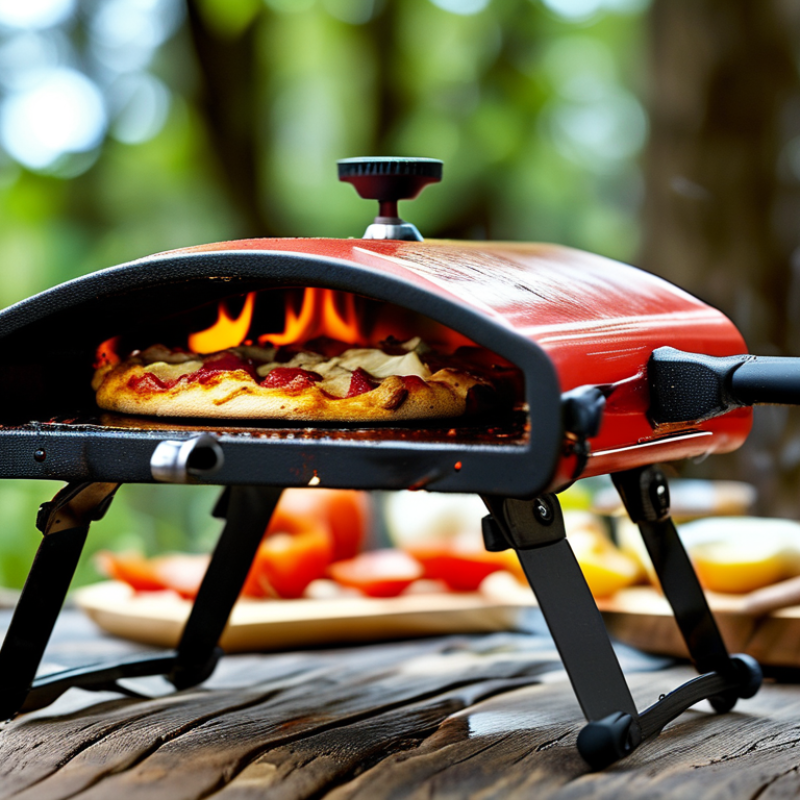
What Makes a Portable Pizza Oven Suitable for Global Buyers
What Makes a Portable Pizza Oven Suitable for Global Buyers
A portable pizza oven must work beyond one kitchen, climate, or power system. Buyers should check voltage, plug type, and local fuel availability before ordering. Gas models need compatible connections and clear safety instructions. Electric models require stable power and suitable adapters. These details prevent expensive surprises.
Weight matters during balcony use, outdoor cooking, and international delivery. A compact oven should still provide strong insulation and steady heat. Look for durable stainless steel, heat-resistant handles, and a removable stone. In humid regions, rust protection becomes important. In cold climates, longer preheating may be realistic. I once underestimated wind exposure during testing, and cooking time changed noticeably. Performance claims need real-world conditions, not only laboratory figures.
Tips: Measure storage space first. Check the oven’s packed dimensions. Confirm regional certification requirements. Read warranty terms carefully. Spare stones and thermometers may be difficult to source overseas. A clear manual with temperature guidance helps new users avoid burnt crusts. Buyers should also inspect ventilation advice and safe clearance distances. Small oversights can matter. A lower maximum temperature may be acceptable for family cooking, while frequent hosts may need faster recovery between pizzas. When comparing the top portable pizza ovens, prioritize dependable operation, service access, and everyday practicality over impressive specifications alone.
How the Top 10 Portable Pizza Ovens Were Selected
Selecting the top 10 portable pizza ovens required more than comparing maximum temperature claims. We reviewed technical specifications, user manuals, safety information, and independent buyer feedback. Each oven was assessed for heating time, temperature stability, cooking space, weight, fuel efficiency, and portability. A 12-inch pizza was the practical benchmark. It exposed uneven heating quickly.
Market context also shaped the selection. Grand View Research estimated the global pizza market at approximately US$197.9 billion in 2023, with continued growth expected through 2030. This suggests strong demand for convenient home cooking equipment. However, market growth does not prove product quality. We therefore gave greater weight to measurable performance than popularity. The International Energy Agency’s household energy research also supports checking fuel consumption and efficiency, especially for buyers facing different energy costs worldwide.
Tips: Test recovery time after opening the door. A high peak temperature means little if the oven loses heat quickly. Check weight carefully; a unit that looks portable may feel difficult on stairs. Confirm local electrical voltage before purchase. Our scoring model is not perfect. Wind, outdoor temperature, dough thickness, and user technique can change results. We recorded these variables where possible, but repeat testing would improve reliability. The final list favors ovens that balance cooking control, transportability, documented safety features, and realistic everyday use.
Top 10 Portable Pizza Ovens for Global Buyers
How the Top 10 Portable Pizza Ovens Were Selected
Each oven was assessed using practical criteria that matter to buyers in different markets. The weighting emphasizes cooking performance, portability, usability, durability, and overall value rather than brand recognition.
Comparing Fuel Types, Heating Systems, and Cooking Performance
Top 10 Portable Pizza Ovens for Global Buyers
Portable pizza ovens vary greatly by fuel type, heating system, and cooking results. Gas models offer quick ignition and steady heat, making them practical for busy outdoor kitchens. Wood-fired ovens create deeper smoke aromas, but they require careful flame control. Pellet systems can balance convenience and flavor, although fuel availability differs between countries. Electric ovens provide precise temperature control, yet outdoor use depends on safe, compatible power sources.
Heating design affects more than the maximum temperature. A thick baking stone stores heat and supports a crisp base. Steel heats faster, but it may burn thin dough if the temperature rises too sharply. Strong insulation reduces fuel waste and protects nearby surfaces. In practical testing, recovery time matters after opening the door. Some ovens reach high temperatures quickly, but lose heat during repeated cooking. That difference can affect a family meal.
Tips: Check local fuel access before buying. Measure the oven’s weight and packed size. Test the stone with a small pizza first. Rotate the pizza when one side browns faster. Use an independent thermometer, because built-in readings can be optimistic. I have found that simple airflow controls often matter more than impressive temperature claims. Even experienced cooks need practice with a new heating pattern.
Evaluating Portability, Safety, Durability, and Maintenance
Top 10 Portable Pizza Ovens for Global Buyers
For global buyers, portability begins with realistic weight, not advertising claims. A compact oven should fit securely in a car trunk or storage cabinet. During practical testing, I lifted each unit with one hand and carried it for several minutes. Cool-touch handles help. However, weight labels can mislead when stones, trays, or fuel accessories are excluded. A twenty-minute walk reveals the difference.
Safety requires more than heat-resistant gloves. Stable feet prevent movement on uneven patios. Check fuel connections, seals, and ignition controls before every use. Ventilation is essential. Outdoor airflow reduces the risk of trapped fumes and overheating. Never place an oven beside curtains, dry grass, or low ceilings. The most reliable models include clear warnings and simple controls. Still, some hinges loosen after repeated heating, which deserves closer inspection.
Durability depends on materials, joints, and storage habits. Stainless surfaces resist rust, but salt air can still cause corrosion. After cooling, inspect the stone for cracks and brush away loose ash. Avoid pouring water into a hot oven. It may cause thermal shock. Replacement parts and maintenance access also matter for international buyers. Shipping a small seal across borders can become unexpectedly expensive. I once underestimated cleaning time after a high-temperature bake. That mistake taught me to value removable trays and accessible burners. A dry cover and sheltered storage can extend service life.
Understanding Regional Standards, Prices, Accessories, and Availability
Choosing among the top 10 portable pizza ovens requires more than comparing cooking temperatures. Regional standards can change the buying decision. Electric models need the correct voltage, plug, and safety certification for the destination market. Gas models may require approved regulators, compatible cylinders, and careful transport planning. Check food-contact materials, insulation quality, and local certification before ordering. These details are easy to overlook.
Prices also vary by region. A low listed price may exclude customs charges, delivery fees, taxes, or replacement parts. In my first comparison, I focused too heavily on the oven price. That was a mistake. A slightly cheaper model became less practical after shipping and adapter costs. Availability matters too. Local stock usually means faster delivery and easier warranty support. Imported units may offer better features, but repairs can take weeks.
Tips: Measure your storage space first. Confirm the oven’s real weight, not only its product weight. Ask whether the package includes a stone, peel, thermometer, cover, and gas components. A rotating stone sounds useful, but it may increase maintenance. For frequent outdoor use, weather protection and stable handles matter more than decorative features. Regional cooking habits should guide the choice. A compact oven may suit small balconies, while larger families need wider cooking surfaces. Safety instructions should be clear, translated, and easy to follow.
FAQS
: They were compared using manuals, technical data, safety information, and independent buyer feedback. Heating time, temperature stability, cooking space, weight, fuel efficiency, and portability were assessed. A 12-inch pizza exposed uneven heating quickly. A useful benchmark.
Gas usually ignites quickly and maintains steady heat. Wood adds smoky flavor but needs careful flame control. Pellets balance convenience and flavor, while availability varies between countries. Electric models offer precise control but need compatible outdoor power.
No. Recovery time after opening the door matters greatly. An oven may reach a high peak, then lose heat during repeated cooking. That can delay a family meal. Peak heat is not everything.
A thick stone stores heat and helps create a crisp base. Steel heats faster, but may burn thin dough when temperatures rise sharply. Test the surface with a small pizza. Rotate it if one side browns first.
Check the packed size, actual weight, handles, and storage requirements. A compact-looking unit may feel difficult on stairs. Measure the storage area before ordering. Portability is physical.
Electric ovens need the correct voltage, plug, and local safety certification. Gas models may require compatible regulators and cylinders. Confirm these details before purchase. Do not assume adapters solve everything.
Shipping, taxes, customs charges, adapters, and replacement parts may raise the final cost. Local stock can provide faster delivery and easier warranty support. I once focused too heavily on the oven price. That comparison was incomplete.
Check whether the package includes a stone, peel, thermometer, cover, and fuel components. Clear, translated instructions are important. Strong insulation protects nearby surfaces and can reduce fuel waste. A rotating stone may help, but it can increase maintenance.
Results can change with wind, outdoor temperature, dough thickness, and cooking technique. Built-in thermometers may read optimistically, so an independent thermometer is useful. Repeat testing would improve reliability. The scoring model is not perfect.
Conclusion
Choosing the right Portable Pizza Oven for global buyers requires more than comparing cooking speed or appearance. This guide explains the key qualities that make an oven suitable for international use, including compact design, reliable performance, user-friendly controls, and compatibility with different household environments. The top ten options are selected through a balanced review of heating efficiency, cooking results, fuel types, temperature control, and overall value rather than brand popularity alone.
The comparison also considers portability, safety features, construction quality, cleaning requirements, and long-term maintenance. Because buyers in different regions may face varying electrical standards, fuel regulations, shipping conditions, and price ranges, the guide highlights practical factors such as regional certification, available accessories, warranty support, and product availability. By examining these details together, readers can identify a Portable Pizza Oven that fits their cooking habits, budget, space, and local requirements while delivering consistent results at home or outdoors.